During my fourth radiation treatment, I sat across from Rob, the husband of my friend Rachel. He was engrossed in a worn-out copy of The Stories of John Cheever. Rob was my driver that day.
On arriving at the medical center, Rob settled in the waiting room as I headed to the dressing room. I meticulously removed my clothes, peeled a gauze from my chest, and wore a white gown. The radiation oncology department at Maine Med is in the basement, making the cold air uncomfortable on my exposed arms. However, pain had gained an unexpected psychological aspect: Feeling it meant I was still alive to experience it.
I took my usual photo in the dressing room, smiling. I’d been doing this at each session since treatment began, marking the weeks. Consistently, I sent the picture to my husband Dan and to Rachel. I was present. This took place. Then, I joined Rob on the blue chairs outside.
Two weeks earlier, Rachel had devised a plan: my radiation companion system. Post my final pre-treatment CT scan, sitting in my car, my resolve wavered. The solitude of cancer is profound. Alone, you enter the strange room with the beeping machines. Alone, you wake suddenly in the night, thinking: I have breast cancer. Life will change forever. From the parking lot, I called Rachel and confided: I doubted my courage to drive to radiation by myself. She hesitated, then said, “I’ll handle this.”
Soon, she had. Gathering four female friends and three of their husbands, Rachel organized a schedule of my radiation companions, all eagerly volunteering. Her work didn’t permit her to drive me, so she coordinated and texted me the night before about the plan. Tomorrow, your companion is Merry. She’ll arrive at 9:15 a.m.
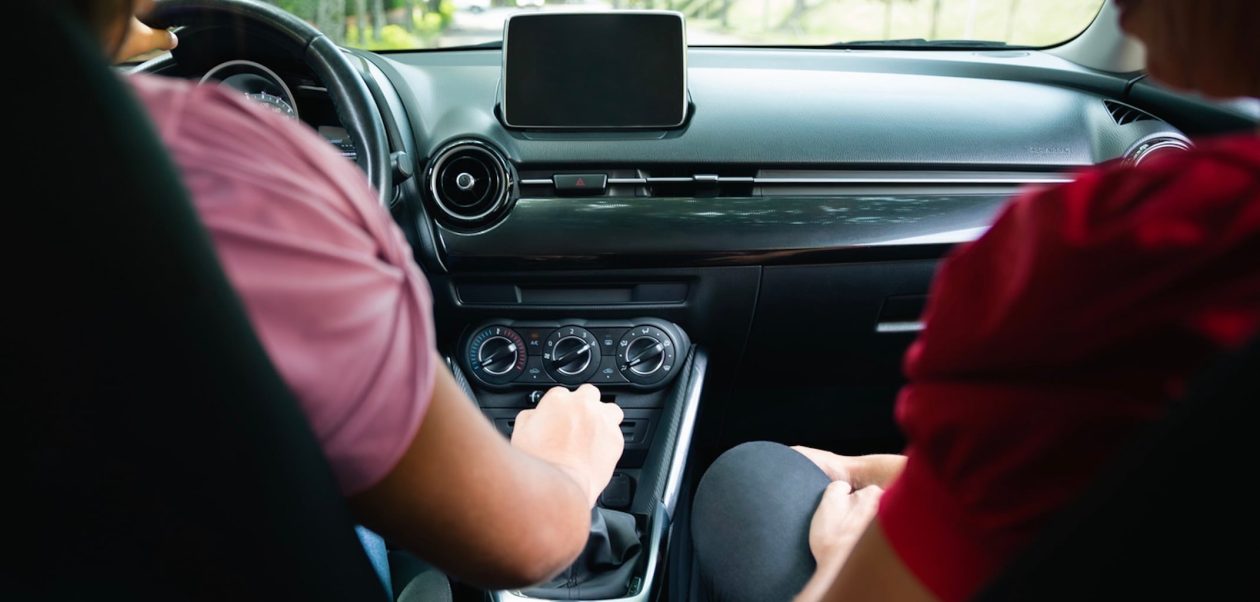
On that Monday, four days into treatment, my breast was stinging. Rob sat across from me; I asked about the book he was reading. He mentioned finding the paperback at our local dump’s swap shop. I expressed my admiration for Cheever’s stories too — particularly “The Swimmer.” After my session, Rob took me home, and I felt lighter stepping out of the car.
When preparing for radiation, doctors say you can drive yourself. It’s simple; only 20 minutes. But it isn’t simple and never merely 20 minutes. Maybe I could manage the mechanics of driving, but truly, it was those rides with friends that helped me endure the treatment.
When Nora drove me, she entered the exam room and asked questions. On Leah’s days, we had breakfast at my place — a Dutch baby with raspberries. Emma cried with me when we saw a young boy, like my younger son, at the radiation center. Merry arrived on her days with garden-picked flowers. Encircled by lifelong friends — chatting as we long had — I perceived cancer as merely one facet of my broader life.
On my final radiation session in mid-July, Dan, my husband, brought doughnuts for the Maine Med radiation staff. Post-session, everyone gathered and applauded as I rang the cowbell, announcing completion. At home, our older son awaited in the dining room with a candle-covered Lazy Daisy cake he’d baked.
Nearly a year later, those sessions remain vivid: my breast swelling like a watermelon, my nipple bleeding and my areola peeling; instructions on the speaker, urging me to hold my breath and stay still.
Yet, I no longer recall the pain. What I do remember is Jess’s leg touching mine on the waiting-room couch; the relief washing over me seeing Emma or Rob or Dan waiting for me post-treatment. Above all, I feel deeply worthy. Throughout those five weeks of driving — with talks about books, teenagers, and Dutch baby toppings — I learned how it felt to be genuinely cared for. I equated love with many forms: flowers, cakes, spreadsheet schedules.
Sometimes as simple as a friend in the waiting room, paperback in hand, ready for a conversation the whole ride back.
Caitlin Shetterly is a journalist, editor, and author. Her new novel, The Gulf of Lions, was published in May. She lives in Maine with her husband and two sons.
P.S. “9 life lessons I learned after my cancer diagnosis,” and what does it mean to think about cancer as a battle?
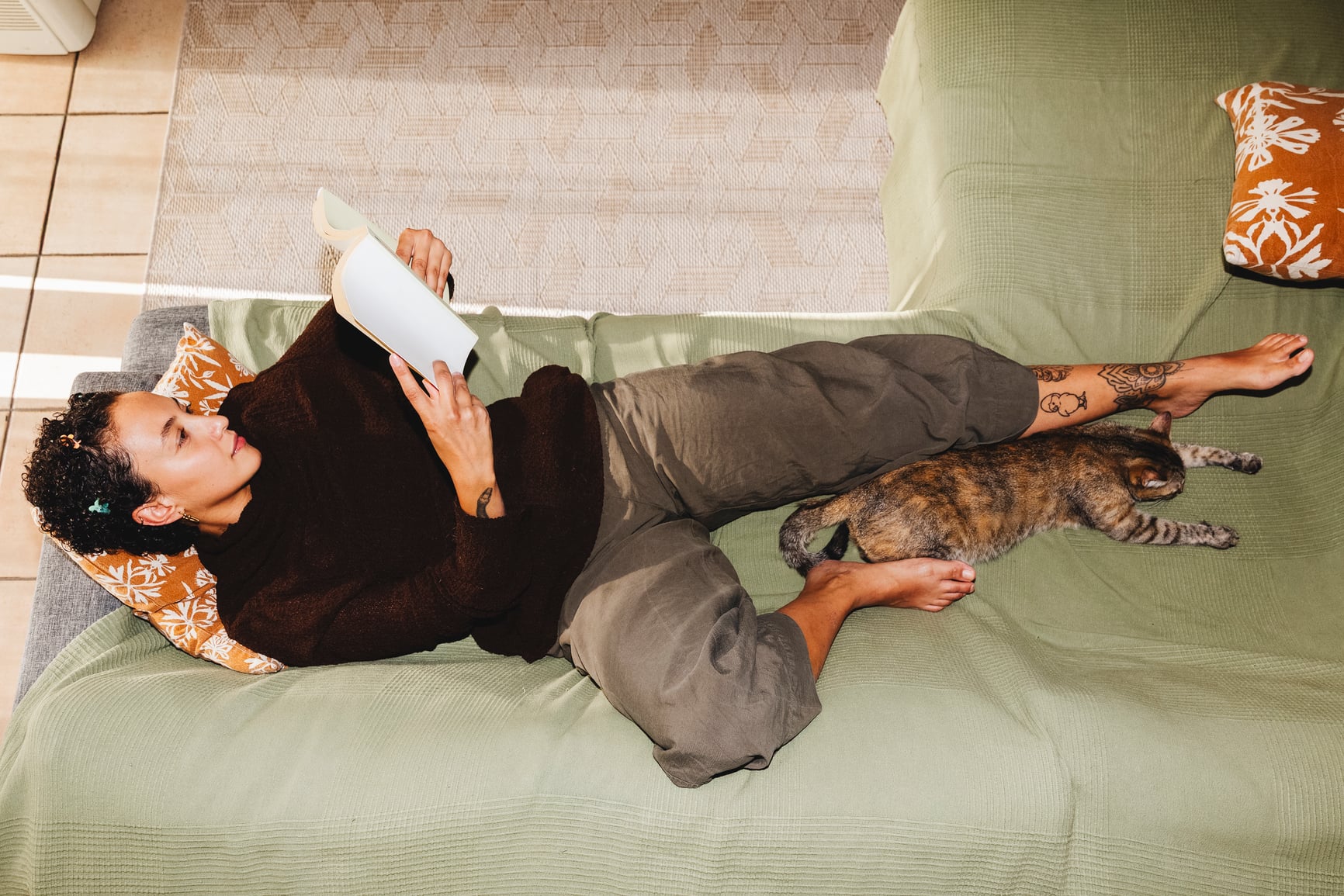
(Photo by Ángela Rober/Stocksy.)