Reader of Cup of Jo, Tiffany Weger-Wong always dreamt of two weddings. “I’m Malaysian Chinese American, raised in Queens, New York, with only my mom,” she conveyed. “My dad and extended family reside in Malaysia. I cherished my visits back home, with so many aunties, uncles, and cousins — my mom has nine siblings!” Tiffany realized it wasn’t feasible for her numerous relatives to travel the 10,000 miles from Kuala Lumpur to New York. Yet, she and her now-husband Ben felt it crucial for both their families to partake in their wedding. The only answer? Two weddings.
You may recall Tiffany from her post-proposal donut snapshot. Now, she guides us through both of her stunning wedding days…
“Ben and I connected on a dating app during the pandemic peak. I lived with my mom in Queens, and he was situated in the Bronx. We engaged in 10 Zoom dates across two months. He donned a suit for our first, which I found hilarious. With vaccines available, we finally met face to face, and two years onward, we got engaged.”
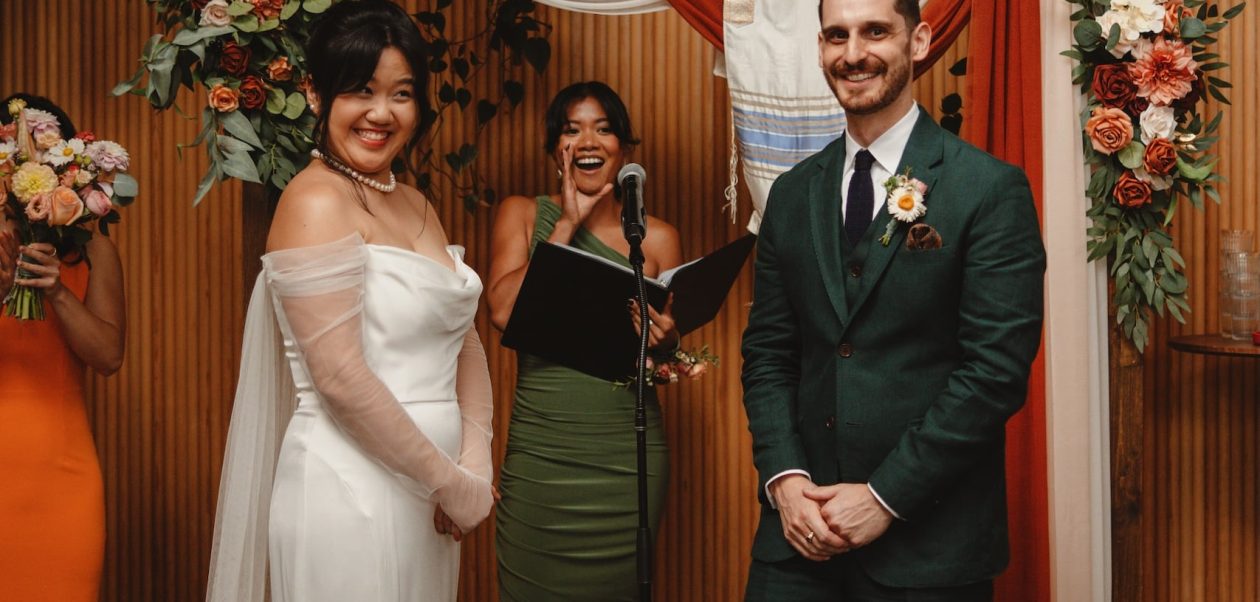
“Our first wedding unfolded in 2024, at Rule Of Thirds, a Brooklyn restaurant. My dad traveled from Malaysia. Ben is Jewish, so we aimed to weave in cherished family traditions. Ben shattered the glass, and his father sliced a lovely challah post-ceremony. We also created and signed a ketubah, a Jewish marriage agreement, now displayed above our bed.”
“A tea ceremony is a significant Chinese wedding tradition, honoring your elders. It demands a specific sequence and can be time-consuming. We underestimated how lengthy, leading to a lull, and at one juncture, Ben’s young nephew exclaimed, ‘When is it gonna be over?’ which was quite amusing.”
“Post-tea ceremony, the bride and groom are meant to give monetary red envelopes to younger siblings — which neither of us has. Thus, Ben gave to his niece and nephew, and I presented one to my younger cousin, akin to a sister.”
“We procured this simple arch on Facebook Marketplace, decorating it ourselves. Draping Ben’s grandfather’s tallit (prayer shawl) over it felt meaningful, honoring his deceased grandparents with us in spirit.”
“A popular Chinese rendition of the Cranberries’ song, Dreams, by Faye Wong holds nostalgia for me. While dating, Ben added this cover to a playlist he made for me! We selected it as our recessional song. It played as we kissed — it was electrifying.”
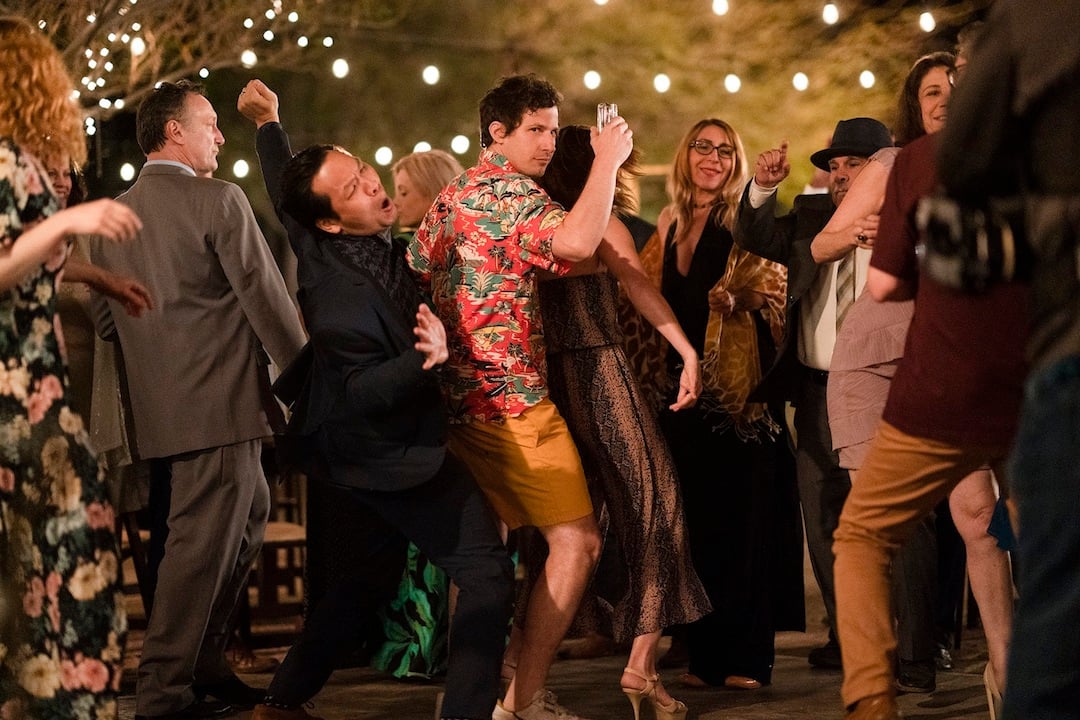
“The hora may have been my highlight. Thrilling beyond words. Our moms were screaming ecstatically, thoroughly enjoying themselves — as did everyone.”
PART TWO
One year later, Ben and Tiffany traveled to Kuala Lumpur for the second wedding…
“In Malaysia, before any plans, my mom and I needed to consult a Buddhist temple priest for auspicious dates for the ceremony. We provided our names, birthdates, birth times, and the date June 14th was given. My family pitched in abundantly — an aunt hosted us and threw the welcome dinner, another aunt tailored my dress and found Ben’s outfit. Recalling their acts makes me emotional.”
“Ben and I donned traditional wedding attires for the day’s earlier part — a ma kua for him and a kua for myself. Though tricky to wear, they’re intricate and stunning. The philosophy is ‘more is more.’ Go all out — gold everything.”
“A ritual named ‘gatecrashing’ involves the groom and party collecting the bride, with bridesmaids challenging them through tough games to ‘earn’ her. This could entail wasabi-filled rice balls or Chinese calligraphy. Failed attempts incur financial penalties paid to bridesmaids!”
“You’re expected to exaggerate too. I told my American mates, ‘Follow my cousins. You’ll witness — they’ll demand cash.’ It’s theatrical. Groomsmen might say, ‘We’re out of cash!’ and bridesmaids respond, ‘No issue, we accept Venmo! We take USD! Pay up!’”
“A yoga pose task proved challenging, especially in 95-degree weather. I observed from an air-conditioned room via FaceTime.”
“Eventually, the groom expresses love to the bride through a shut door. I assumed Ben would deliver a Chinese script in English but surprised me by crafting his own, translated with a relative’s help into the Hakka dialect, spoken by my family. I was moved, shocked by its difficulty. Cheers erupted and I broke into tears.”
“Post-gatecrashing, we prayed at my aunt’s shrine then underwent the tea ceremony. The one in Brooklyn had seemed lengthy but was actually brief comparatively. We served tea to aunts, uncles, and elder cousins, and gifted red envelopes to younger ones.”
“The final ritual symbolizes the bride leaving for her husband’s home. We followed tradition for customary’s sake. My mom placed me in the car, sobbing as if I was leaving — though in truth, my cousin merely drove us around the block. I reassured, ‘Mom, I’ll be back shortly!’”
“The second-half composed the wedding banquet at a splendid local venue. Chinese ceremonies focus on cuisine over dancing or speeches. An extravagant eight-course spread aimed to delight guests.”
“Here’s almost all of my cousins. Amazingly, there’s more!”
“Couples seldom present grand speeches, but I took the opportunity to convey my family’s significance. As a third-culture individual, I often felt misplaced. With my mom and I alone residing outside Malaysia, their wholehearted embrace of Ben warmed me. It established a sense of belonging; eager for our children, Ben and I anticipate sharing this heritage with them.”
Thank you warmly, Tiffany and Ben. We wish you abundant joy.
P.S. Discover more wedding tales, including a City Hall wedding featuring sneakers and comical wedding-day slip-ups.
(Brooklyn event captured by Carissa Joy. Malaysia event captured by Moments by Jeremy.)