
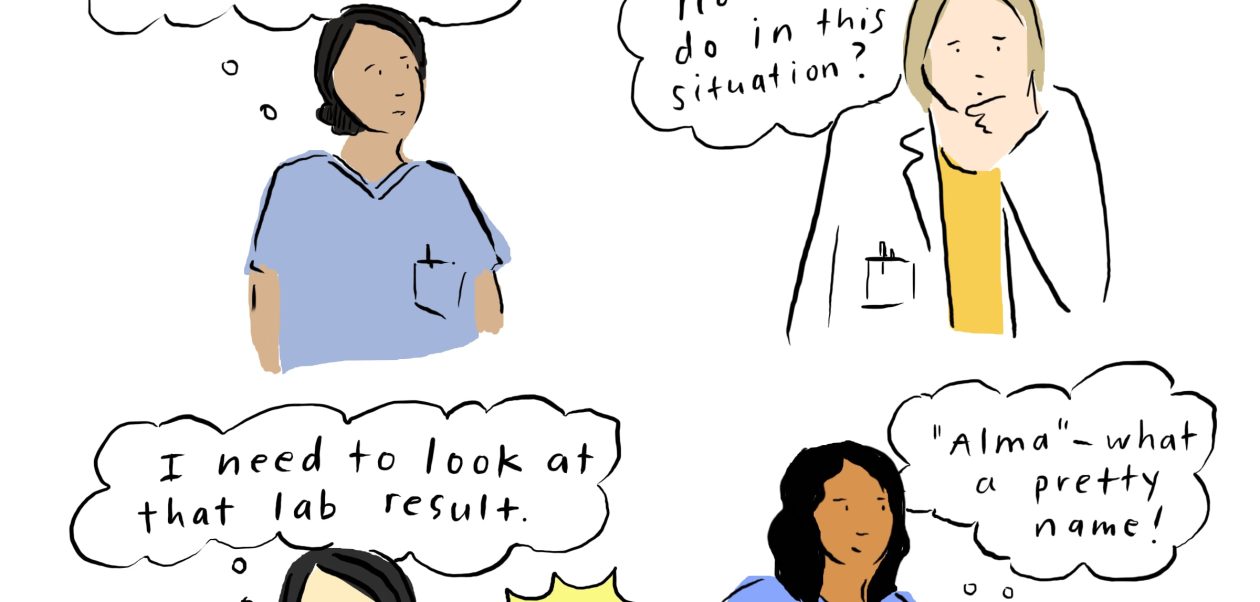
By the delightful Grace Farris.
P.S. An insight into a cardiologist’s weekly attire and do TV careers feel authentic? We inquired with a doctor, chef, priest, and therapist.
**Insights into Your Doctor’s Thought Process**
Grasping a doctor’s thought process offers valuable insights into how medical decisions are made. Doctors are equipped to handle patient care methodically, merging scientific understanding with clinical expertise to diagnose and treat conditions. Here’s an in-depth examination of a doctor’s cognitive approach:
1. **Gathering Information:**
Initially, doctors collect comprehensive information. This step involves taking thorough patient histories, conducting examinations, and reviewing prior medical records. They pose specific queries about symptoms, lifestyle, and family history to develop a holistic understanding of the patient’s health.
2. **Formulating Hypotheses:**
With this preliminary information, doctors propose potential diagnoses, known as differential diagnoses. This list encompasses all plausible conditions explaining the patient’s symptoms. They rank these hypotheses by probability, favoring common conditions initially while considering rare possibilities.
3. **Diagnostic Testing:**
Doctors utilize tests like blood analyses, imaging, or biopsies to refine their differential diagnoses. Such tests yield objective data validating or excluding certain conditions. Doctors interpret the test outcomes in light of the patient’s overall clinical context.
4. **Applying Medical Knowledge:**
Doctors draw upon their substantial medical education and ongoing learning to assess findings. They reference the latest studies, clinical guidelines, and evidence-based practices for informed decision-making. This expertise aids their comprehension of disease mechanics, treatment pathways, and potential results.
5. **Critical Thinking and Problem Solving:**
Employing critical thinking, doctors analyze complex data and resolve challenges. They evaluate the validity of diagnostic options and assess risks versus benefits of treatment alternatives. This involves logical deduction, pattern recognition, and occasionally, innovative thinking.
6. **Patient-Centered Approach:**
In addition to scientific reasoning, doctors account for patient preferences, values, and context. They engage in shared decision-making, conversing with the patient on potential risks and benefits to select the best course of action. Empathy and communication skills are pivotal here.
7. **Continuous Re-evaluation:**
Given the dynamic nature of medicine, doctors consistently reassess decisions in light of new information. They observe treatment responses and revise plans when necessary. This iterative approach ensures patient care stays effective and current.
8. **Collaboration and Consultation:**
Doctors regularly collaborate with peers and specialists to gain fresh insights. They might consult with other healthcare professionals for comprehensive care, particularly in intricate cases. This teamwork sharpens decision-making and advances patient outcomes.
Understanding these components of a doctor’s thought process can improve patient-doctor interaction and cultivate trust. Patients informed about how doctors think can partake more actively in their healthcare, leading to better health results and a more rewarding healthcare experience.