Some time ago, we recounted tales from parents of only children — the benefits, drawbacks, and stories of raising a solo child. Today we’re hearing from only children themselves. Here, seven (grown-up) only children describe their experiences…
Halli, 41
“I grew up on a farm, and my grandparents were right across the field, so even though there weren’t many kids around, I never felt alone. I learned how to converse with grown-ups, and now that I am one, I find talking to people very easy. Another major benefit was being able to travel. When I was 11, we studied Great Britain in school, and my parents took me to England that summer to visit the places I’d learned about. That wouldn’t have been feasible, financially, with more than one child. I made a very intentional choice to have only one child myself. I’ve had amazing experiences, both being an only child and having one. Five stars.”
Gayatri, 33
“My family moved from India to the U.S. when I was five. From an immigrant perspective, there’s a slightly different parent-child dynamic. They can’t really ‘guide’ you through the American rites of passage and systems; you’re all sort of figuring it out together. They didn’t know what ‘prom’ was, you know? I think it could have been helpful to have a sibling as an ally. It might’ve helped my family feel more oriented in America.
“At the same time, I think my childhood gave me social strengths. I didn’t have built-in peers within my family, so I got good at adapting to new situations and finding my people. There are all these negative stereotypes about only children, like that we’re socially weird. Maybe that’s true for some, but I’m good.”
Gitanjali, 32
“I felt very included in my parents’ lives. They’d have friends over for dinner, and I’d be the one kid at the table. I thought it was so fun and interesting, getting to listen in on their conversations. I’d also chime in with my opinions; I remember talking about the Iraq War with adults. But now that I’m older, and my parents are aging, I sometimes wish I had someone around who knows them like I do, someone who can also keep them company. I’m starting to feel anticipatory grief: Who am I going to remember them with? At the same time, I know that whenever I imagine a sibling, it’s always with the rosiest view. There’s no guarantee that siblings will have a good relationship.”
Mallory, 38
“My parents divorced when I was three, and from then on, it was just my mom and me. A handful of friends’ families really stepped up. My mom always had two or three jobs and often worked evenings, so when I was in preschool, I’d often spend the night at my friend Natalie’s house. Her parents, the Allmans, were always happy to help. In elementary school, it was the Butlers — my friend Katie’s parents — who’d pick me up after school and take me to gymnastics. My high-school best friend was Molly Kopp. Molly’s mom took me to swim practice and often invited me over for the whole weekend if my mom was working. Molly’s dad was a lawyer, and when my bio dad suddenly reappeared making legal threats, he immediately stepped in to handle things.
“I always wanted a sister, but I felt like I found my ‘sisters’ among my friends. I also now have four sisters-in-law. When I first got married, I thought it was strange that none of them had super-close girlfriends, whereas I had a tight group of friends I’d known since childhood. It took a few years before I realized my sisters-in-law didn’t need that, because they had each other.”
Kristy, 38
“My parents both had challenging upbringings, so they decided early on that they would have only one child and really devote themselves. My mom was the one who went to the office every day, while my dad stayed home with me. He was a doting father. He coached all my teams; he walked me to school and picked me up each day. My parents also made sure I spent time with other kids. I went to summer camp and after-school activities, and I played every sport under the sun.
“Honestly, I was a little bratty as a kid. My dad really harped on self-esteem and confidence, and I was maybe too confident! But as an adult, I’ve fared pretty well. I work in the corporate world and manage a large team. I don’t think I’d have this career and these leadership skills without my childhood. When people ask me about having an only child, I recommend it — with nuance. I think it does take more effort to ensure your child gets socialized with their peers. And yes, there is more pressure on an only child, especially as your parents start to age. But for me, the pros outweigh the cons.”
Sean, 38
“I’ve always romanticized sibling relationships. My best friend has a sister, and I still hound her for details: What’s it like?! A big house seems really exciting to me, and I always assumed that’s what I would have when I made my own family. I had a great childhood with a rich inner life, but I craved a bustling household. Then I had my first child, and the postpartum period was very difficult, and I wondered if I could do it again. We also live in Los Angeles, so the finances are weighing on us — could we even afford another kid? Our son is two-and-a-half, and we’ve only just gotten back on our feet. If we have another, will we ever see each other again? Or will it just be going from school to work to school and back? So far, having one child is amazing — we still have so much flexibility and freedom. At the same time, my husband has a brother and can’t imagine his life without him. We’re stuck!”
Marissa, 40
“As a kid, I never gave a second thought to being an only child; our family unit just fit. Whenever we went somewhere, it was us three, and when it was time to go home, it was us three — everyone present and accounted for. When I went to college and started making new friends, people were often surprised that I was an only child: ‘Really? I thought you were an older sister or something.’ That was the first time I noticed the negative perceptions around only children.
“I don’t know where we all got the idea that bigger is always better. When my husband and I had our son, we felt so lucky to have this lovely child! Right from the start, however, we got questions: ‘Wait, you’re just having one?’ Now friends will sometimes add, ‘Just one is okay, right? You turned out pretty normal.’ My take: If your family feels like a unit of three, great. As long as everyone’s happy, keep your eyes on your own paper.”
If you’re an only child — or have an only child — would you add? Thank you so much to the wonderful folks who shared their stories. We’re so glad and grateful to hear from you.
P.S. Tips on transitioning from one child to two, and eight women on choosing not to have children.
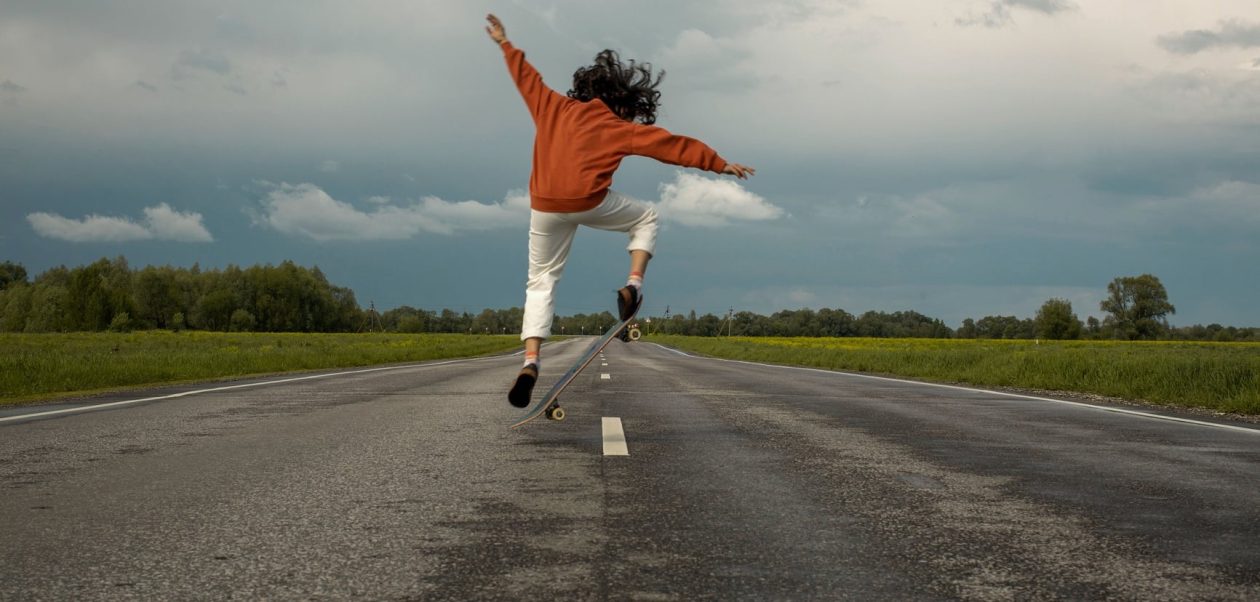
(Photo by Irina Ozhigova/Stocksy.)
**Growing Up as an Only Child: Insights**
Experiencing childhood as an only child is a distinctive journey that molds one’s personality, social interactions, and worldviews. Unlike those with siblings, only children go through their formative years without the immediate companionship of brothers or sisters, which can present unique advantages and challenges.
**Benefits of Being an Only Child**
A significant advantage of being an only child is the undistracted attention and resources parents offer. Without siblings vying for attention, only children often benefit from more focused parental involvement in academics and activities, leading to potential academic success and strong self-assurance. Additionally, only children might develop superior verbal abilities and mature more swiftly from frequent interaction with adults.
From a financial standpoint, parents of only children may allocate more resources to their child’s education and interests, paving the way for diverse experiences and skills.
**Obstacles Faced by Only Children**
Despite these benefits, growing up without siblings can also pose difficulties. Only children may feel isolated or lonely, particularly in childhood. Without siblings for company, they may need to seek friendships outside the home, relying more on peer interactions. This can occasionally result in challenges in social settings, as only children might lack practice in resolving conflicts or sharing, unlike those with siblings.
Moreover, only children bear the full weight of parental expectations, as parents may place all their dreams on their single child, potentially causing stress and anxiety.
**Social Interactions and Bonds**
The social life of only children can be complex. They frequently form strong friendships, treating friends as siblings. These relationships can be profound and enduring, as only children may invest heavily in social connections to fill the gap of siblings.
In adulthood, only children might be more independent and self-sufficient, accustomed to handling situations independently. However, they might encounter challenges with teamwork if they haven’t had ample opportunities to hone these skills during their upbringing.
**Final Thoughts**
Growing up as an only child encompasses multiple facets, including both perks and hurdles. While only children may enjoy more resources and attention, they also encounter unique social and emotional challenges. Recognizing these factors can aid parents, educators, and the children themselves in navigating the intricacies of this life path, ensuring a comprehensive and rewarding life experience.